
How Digital Twin Platforms Are Reshaping the Way Buildings Are Managed
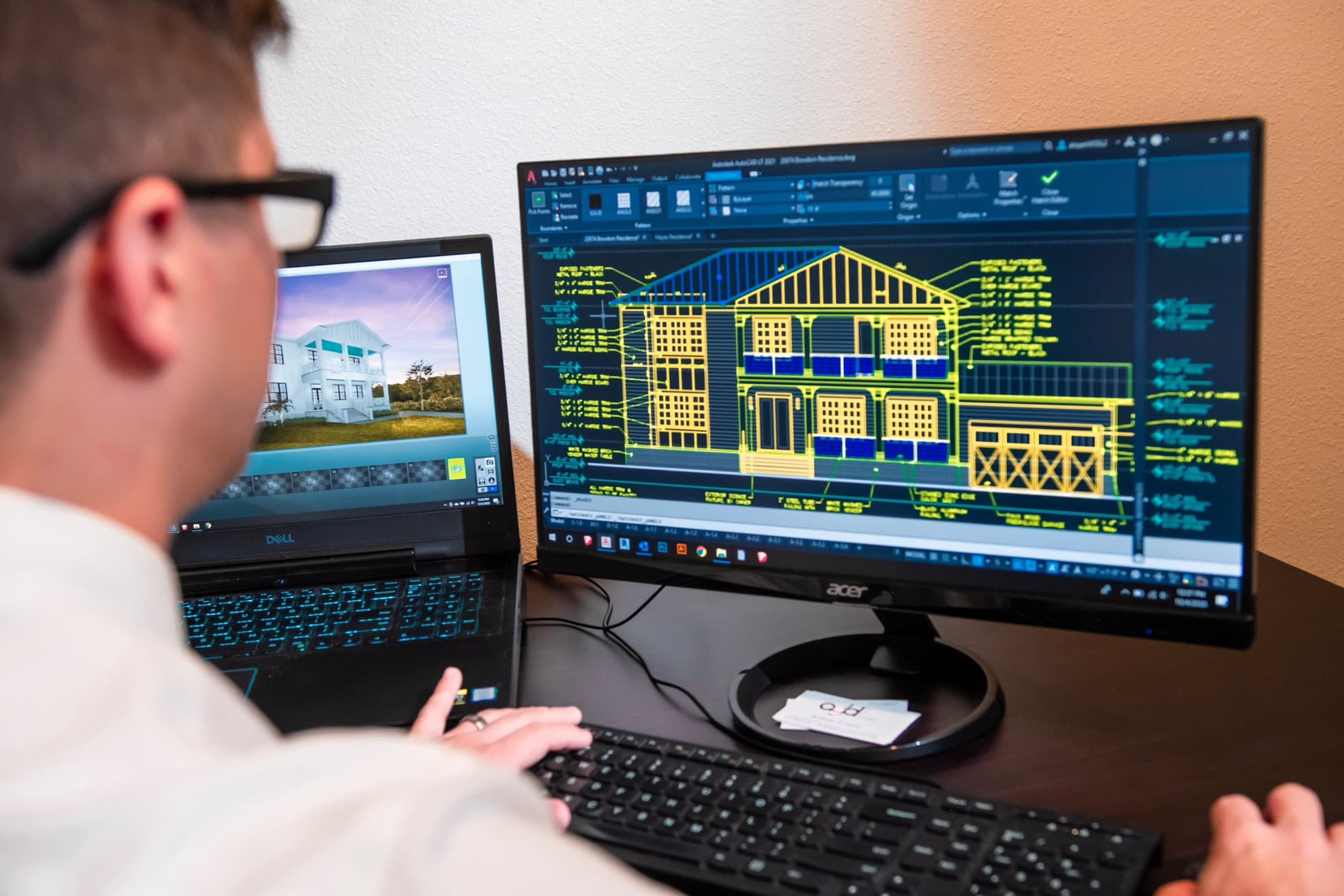
For most of the history of commercial real estate, understanding a building meant working from static information. A set of drawings from when it was constructed, a spreadsheet tracking maintenance requests, a stack of PDFs describing where the electrical panels sit. None of it moved, and none of it reflected what was actually happening inside the building on any given day. Digital twin platforms are changing that by creating a live, continuously updated virtual model of a building that stays connected to what is actually happening inside it, and that shift is becoming one of the more significant developments in how technology platforms serve facility teams and building owners.
What a Digital Twin Actually Is
It is worth being precise about what separates a digital twin from a simple 3D model, because the two get confused often. A building information model created during construction is valuable, but it is essentially a snapshot. It shows how the building was designed and, ideally, how it was actually built, but it does not know anything about what is happening inside the space right now.
A digital twin starts from that same structural foundation and then connects it to live data. Occupancy sensors, HVAC controls, energy meters, security systems, and other building data sources all feed into the model continuously, so the virtual version of the building reflects current conditions rather than conditions from the day the drawings were finalized. Walk through a well built digital twin and you are not looking at an illustration of the building. You are looking at something closer to a live dashboard wrapped around a three dimensional map of the space.
This is also why the term gets used loosely in the industry, which causes some confusion. A visually impressive 3D walkthrough that never updates after launch is not really a digital twin, no matter how polished it looks in a sales demo. The defining feature is the ongoing connection to live building data, not the quality of the graphics. A twin that looks plain but reflects real conditions accurately is far more useful than one that looks great but stopped updating the day it was delivered.
From Static Models to Living Systems
The path to this point took a while. Paper drawings gave way to digital floor plans, which gave way to full building information models used mainly during design and construction. For a long time, once a building was finished and occupied, that model tended to sit unused on a server somewhere, disconnected from the building systems that were actually running day to day.
What changed is the growing availability of building data itself. As more systems inside a building became connected, generating a steady stream of information about temperature, occupancy, energy use, and equipment status, it became possible to feed all of that back into the original model instead of letting it go stale. The result is a model that keeps updating itself instead of representing a single moment frozen in time. That distinction, between a static record and a living system, is really the whole point of a digital twin.
The building industry was actually a bit slow to make this connection compared to sectors like manufacturing, where digital twins of production lines and equipment have been common for longer. Part of the delay came down to fragmentation. A typical commercial building might run its HVAC controls, its access control system, and its energy metering on three completely separate platforms that were never designed to share data with each other, let alone with a 3D model sitting off to the side. Only once integration between these systems became more practical did it make sense to treat the building model as something worth keeping alive rather than archiving once construction wrapped up.
Where Digital Twins Are Already Making a Difference
This is not a distant concept still waiting for its first real use case. Facility teams already use digital twins to plan space utilization, testing different seating layouts or department moves against actual occupancy patterns before committing to a physical change. Energy teams use them to simulate the effect of adjusting a setpoint or upgrading equipment before spending money on the change itself, catching problems on the model instead of in the building.
Troubleshooting is another area where the benefit is obvious almost immediately. When something goes wrong, whether it is a comfort complaint on a specific floor or an alarm from a mechanical system, a digital twin lets a technician see exactly where the affected equipment sits, what else is connected to it, and what the surrounding conditions look like, all without walking the building first. New staff benefit too. Instead of learning a building’s layout and systems purely through months of experience, a digital twin gives them a reference that shows how everything fits together from day one.
Emergency preparedness is a less discussed but increasingly important use case. Security and life safety teams can use a digital twin to plan evacuation routes, identify where crowds are likely to bottleneck, and understand which areas of a building are occupied at any given moment during an actual incident, rather than relying on outdated floor plans and guesswork. For property teams managing tenant relationships, a twin can also make it easier to show prospective tenants exactly how a space performs, from natural light throughout the day to actual measured energy costs, instead of relying on marketing materials alone.
The Road Ahead for Digital Twin Platforms
The next stage of this technology is less about the visual model itself and more about what gets layered on top of it. Combining a digital twin with predictive analytics means a building can start flagging likely problems before they occur, rather than simply reporting on what has already happened. That requires reliable data flowing in from a wide range of building systems, which is why interoperability between platforms matters as much as the twin itself. A model is only as useful as the data feeding it, and a twin that only sees part of the building tells an incomplete story.
There is also a broader shift underway in expectations. Digital twins used to be treated as an advanced feature reserved for flagship projects with generous budgets. That is changing as the underlying data infrastructure becomes more common and less expensive to deploy. It is becoming reasonable to expect a digital twin as part of a new building project or a major retrofit, not as a novelty, but as a standard tool for understanding a space that would otherwise be difficult to see clearly all at once.
Cost is still a real factor, but it is coming down steadily as more vendors enter the space and as building data collection becomes cheaper overall. The bigger barrier at this point is often organizational rather than technical. Getting a useful digital twin usually requires facility teams, IT departments, and outside vendors to agree on data sharing and system access in ways that were not necessary before, and that kind of internal coordination can take longer to sort out than the software implementation itself.
What makes this shift meaningful is not the novelty of a 3D model that looks impressive in a presentation. It is the practical value of finally having a building’s information and its real time condition in the same place, something facility teams have been missing for a very long time.