
Why Edge Computing Is Quietly Becoming the Backbone of IoT Networks in Buildings
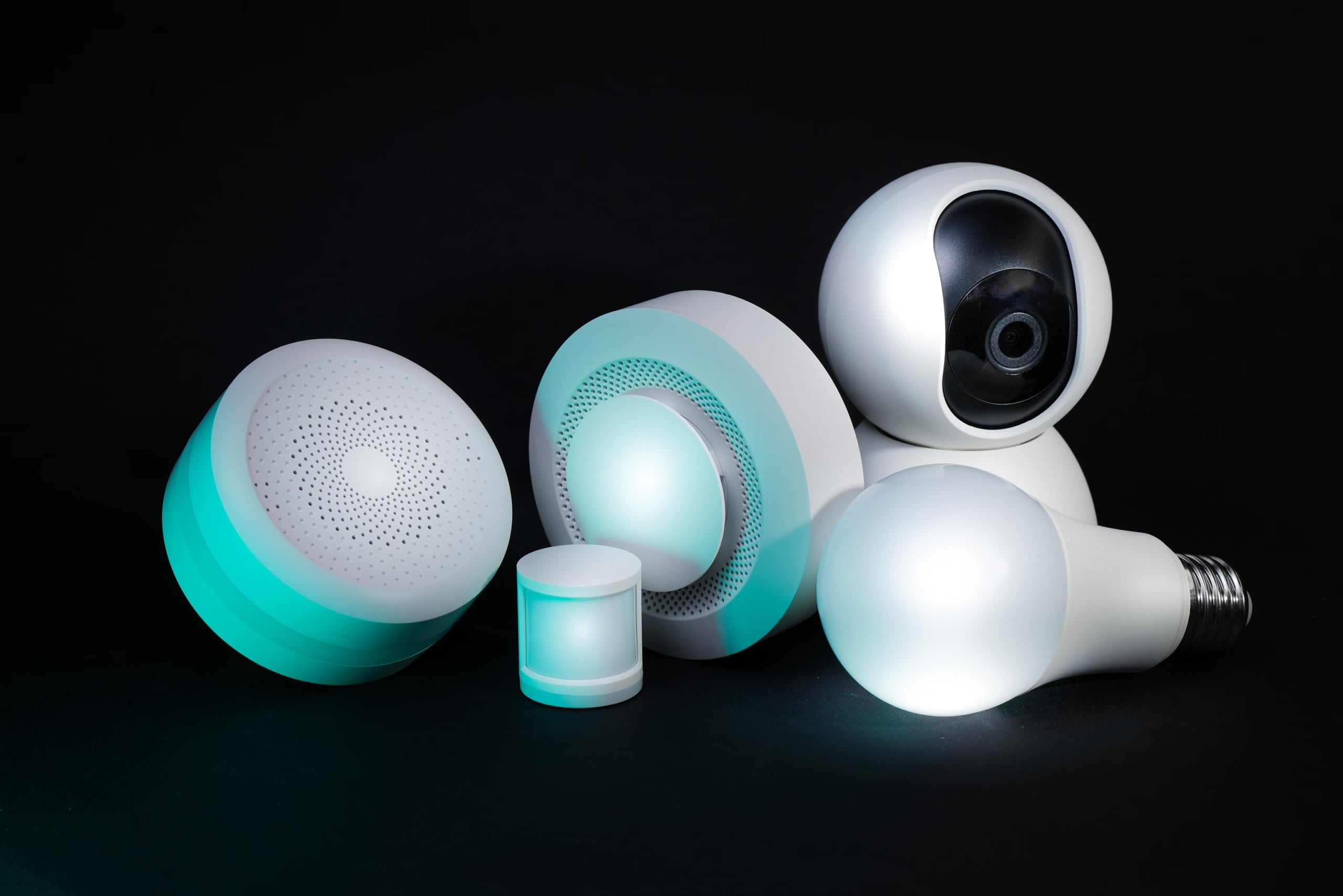
For years, the promise of the Internet of Things inside commercial buildings rested on a simple idea. Connect every sensor, every controller, and every meter to the cloud, and let centralized software make sense of it all. That approach worked reasonably well when a building had a handful of connected devices reporting a temperature reading every few minutes. It holds up far less well now that a single mid sized office tower can easily carry thousands of sensors, cameras, access readers, and controllers, all generating data around the clock.
This jump in scale is quietly reshaping how IoT networks inside buildings get designed. Instead of pushing every data point to a remote server and waiting for a response, more of the actual processing now happens close to where the data is created, sometimes on the device itself, sometimes on a small local server sitting in a wiring closet down the hall. This approach, usually called edge computing, has become one of the more important shifts in how connected building technology works.
What Edge Computing Actually Means for Building Devices
At its core, edge computing simply means handling data close to its source instead of shipping every reading off to a distant data center. In a building setting, that could be a motion sensor deciding on its own whether a room is occupied rather than sending a raw signal upstream for a server to interpret. It could be a small gateway sitting on a mechanical floor that pulls readings from a dozen BACnet and Modbus devices, checks them against normal operating ranges, and only forwards a summary or an alert instead of a constant stream of raw numbers.
This is a meaningful departure from how many building networks were designed a decade ago, when the assumption was that computing power belonged in a central server room and every device out in the field was little more than a dumb sensor. Chips have gotten cheaper and more capable since then, and a modern IoT device can often run logic that used to require a full server rack. That changes what is reasonable to ask a single device to do on its own before it ever talks to anything else on the network.
Why Sending Everything to the Cloud No Longer Makes Sense
There are a few practical reasons this shift is happening now rather than staying a niche idea for specialists. The first is timing. Systems like elevators, access control, and life safety equipment cannot tolerate the kind of delay that comes from waiting on a round trip to a cloud server, especially if the building internet connection has a bad moment. A door that needs to unlock in under a second cannot depend on a network path that sometimes takes three.
The second reason is cost and bandwidth. High frequency data, the kind produced by vibration sensors on rooftop equipment or continuous video streams from security cameras, adds up fast if every bit of it needs to travel offsite. Processing that data locally and only sending what actually matters, an alert, a trend, an exception, keeps bandwidth bills and cloud storage costs from spiraling as a building adds more devices.
There is also a resilience argument that often gets overlooked until something goes wrong. A building that depends entirely on a cloud connection for basic functions is only as reliable as its internet service. When edge devices can keep doing their job locally even during an outage, and simply sync up once the connection returns, the building keeps running instead of grinding to a halt because of an issue with an internet provider two states away.
Real World Applications Inside Smart Buildings
None of this is theoretical anymore. Occupancy sensors that once just reported a binary signal now increasingly run their own logic locally, adjusting lighting and airflow within a room the moment conditions change rather than waiting for instructions from a central system. Security cameras with onboard processing can flag unusual activity and send a short clip or an alert instead of streaming hours of unremarkable footage that nobody will ever watch.
Predictive maintenance is another area where this shows up clearly. Sensors mounted on pumps, fans, and compressors can watch for small changes in vibration or temperature and flag a developing problem well before it becomes a breakdown, often without needing to send raw sensor data anywhere at all. Water leak detection works the same way. A sensor that can process its own reading and trigger a shutoff valve in under a second is far more useful than one that has to phone home first and wait for a response.
Access control tells a similar story. A reader that has to check a credential against a database sitting somewhere else on the internet adds a delay that people notice immediately, especially at a busy entrance during a morning rush. Many modern readers now hold a cached copy of valid credentials locally and only sync changes back to a central system periodically, so a person badging in gets an instant response no matter what the network is doing at that moment. The same logic increasingly applies to elevators, turnstiles, and other systems where a fraction of a second matters to the person standing in front of the device.
Even something as simple as a smart thermostat benefits from this shift. Rather than checking in with a cloud service every few seconds to decide whether to adjust a damper, many newer devices can hold onto scheduling logic and basic decision making locally, falling back on the cloud mainly for reporting, remote access, and longer term trend analysis rather than moment to moment control.
What This Means for the Future of Connected Devices
None of this means the cloud is going away, and it would be a mistake to read it that way. Portfolio wide reporting, long term energy analysis, and the kind of cross building insights that facility teams rely on for planning still depend on centralizing data somewhere. What is changing is where the line gets drawn between what a device decides on its own and what gets handed off for someone, or something, else to analyze later.
For system integrators and facility teams, this has practical implications. It means paying closer attention to how much onboard processing a device actually has before specifying it for a project, rather than assuming every device is interchangeable as long as it speaks the right protocol. It means local gateways and small edge servers are becoming a normal part of building network design rather than an unusual add on. And it means that as buildings keep adding more connected devices, the ones that can think for themselves, at least a little, are going to be the ones that hold up best as networks grow more crowded and more demanding.
It also changes the kind of questions worth asking during design and procurement. Instead of only asking whether a device supports a given protocol, teams are starting to ask how much of the decision making that device can handle on its own, what happens to it during a network outage, and how much data actually needs to leave the building in the first place. Those questions were rarely part of the conversation a few years ago. They are becoming standard now, and buildings that get this right end up with networks that feel noticeably faster and more dependable to the people using them every day.
The bigger story here is not that the cloud is being replaced. It is that intelligence is finally moving to where it makes the most sense, right at the edge, closest to the equipment and the people who depend on it every day.