
EV Charging Load Management: Your Electrical Service Is the Real Limit
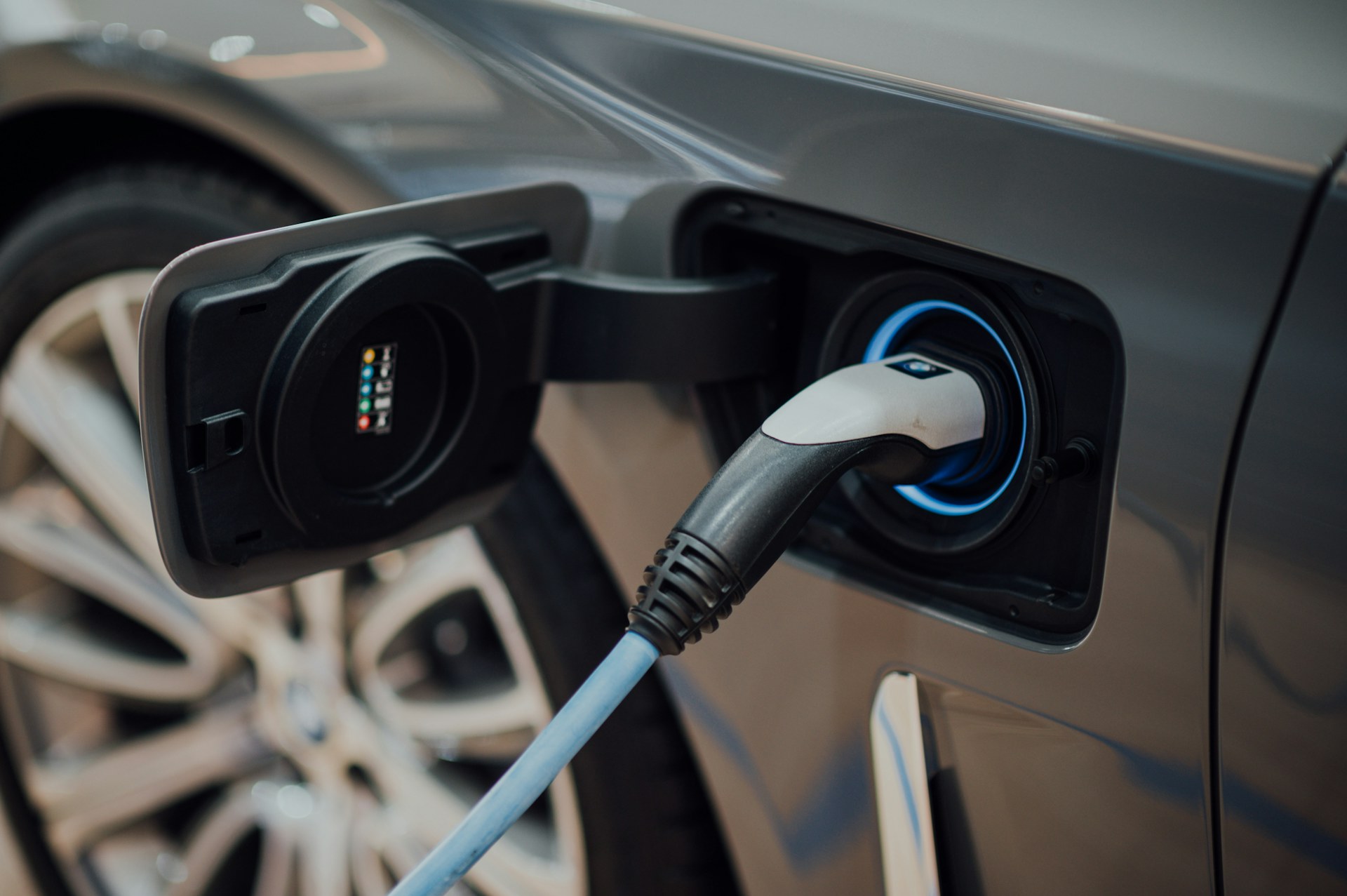
Someone in property management gets an email from a tenant asking for more chargers. Twelve are already in the garage, they're all taken by nine in the morning, and the obvious fix is to add twenty more. Then the electrical engineer opens the one-line diagram and the conversation changes.
In most existing commercial and mixed-use buildings, the limit on EV charging is not the chargers, the parking spaces or the hardware budget. It's the capacity of the electrical service and how much of it is already spoken for.
Why the Service Is the Bottleneck
A typical Level 2 commercial charger draws somewhere around 7 to 11 kW, and some go higher. Twenty of them running flat out adds roughly 140 to 220 kW of new load. In a mid-size office or mixed-use building, that can be a large share of the service, the kind of number that sends the engineer looking for twelve months of utility demand history.
Electrical codes in many jurisdictions now recognize EV load management as a way to size feeders and services to a managed maximum instead of the sum of every charger's nameplate rating. That is the practical basis for everything else in this article. How your local inspector applies it varies, so ask before the design is finished, not after.
If the building doesn't have the headroom and you can't manage the load, the alternative is a service upgrade: new transformer, new switchgear, a utility engineering review and a queue. Depending on the utility, that can take many months or longer and cost far more than the chargers themselves. Load management is how you avoid that, or at least push it out until it's justified.
Static vs Dynamic Load Management
Static
Static load management sets a fixed ceiling for a group of chargers. Say a feeder can safely give 80 A to ten chargers. The controller shares that 80 A among whoever is plugged in. One car gets everything it can take; ten cars split it. The ceiling never changes, whatever the rest of the building is doing.
It's simple, predictable and easy to defend to an inspector. It also wastes capacity. The ceiling has to assume the building is at worst-case peak, so at 6 a.m. on a Sunday, with the building nearly idle, the chargers are still held to the same limit.
Dynamic
Dynamic load management measures the actual load at the service or a panel, using CTs or a revenue-grade meter, and gives the chargers whatever is left under a set limit. When the chillers ramp up on a hot afternoon, charging current drops. Overnight it rises. The same electrical capacity supports many more charging ports, because the building rarely hits peak at the exact moment every car wants full power.
The price is complexity and a dependency on measurement. If the meter fails or stops communicating, the system needs a safe fallback, usually dropping to a conservative static limit. Ask how it fails before you ask how it works.
Coordinating With the Building, Not Just the Chargers
A charging system that only sees chargers is half blind. The real gains come from connecting it to what the rest of the building is doing.
Most networked chargers talk OCPP to a central management system, which handles sessions, billing and power limits through charging profiles. The building side usually lives in a BMS speaking BACnet or Modbus. Getting the two to share information, directly or through a meter both can read, is where the integration work sits. Settle who owns that interface in the spec. Otherwise it falls between the electrical contractor, the charging provider and the controls contractor, and nobody does it.
Good coordination is mostly common sense once the systems can see each other. Morning pre-cooling and the arrival wave of commuters shouldn't both hit at 8 a.m. at full power. If the building has battery storage, thermal storage or on-site solar, the charging schedule should know about it. In mixed-use buildings, residential overnight charging fits neatly into the hours when the commercial floors are empty, as long as both sides are on the same managed limit.
Demand Charges Change the Math
Many commercial tariffs include a demand charge based on the highest average power drawn in a 15- or 30-minute window during the billing period. One bad interval can set the charge for the whole month, and with a ratchet clause, for months after.
EV charging is very good at creating bad intervals. A dozen cars arrive between 8 and 9 a.m., plug in, and pull full power just as the building's HVAC is starting up. The energy those cars used might be modest. The demand charge they triggered can be the bigger line on the bill. I've watched owners discover this on the first invoice after an expansion, and it's not a fun meeting for whoever recommended the chargers.
Dynamic management with a site-level peak target deals with this directly. Instead of limiting charging to the electrical capacity, you limit it to a demand target set for cost, below what the wires could carry. Most drivers parked for eight hours don't need full power. They need enough range to get home, and a modest current spread across the workday usually covers a normal commute. ISO 15118 allows the car and charger to exchange departure time and energy needs, which makes this smarter, but support across vehicles and chargers is still uneven. Treat it as a bonus, not a design assumption.
What to Ask Before Adding 20 More Chargers
Before anyone orders hardware, get answers to these:
- What is the service size, and what has actual peak demand been over the last twelve months? Interval data from the utility beats a panel schedule every time.
- Which switchboard or panel would feed the new chargers, and how much spare capacity and physical space does it have?
- Can the new chargers join the existing load-managed group, or will you end up with two systems unknowingly sharing one feeder?
- Do the chargers support OCPP, so you aren't tied to one management platform for the life of the hardware?
- Where does the load measurement come from, and what happens when it goes offline?
- What does the tariff look like: demand charges, ratchets, time-of-use windows?
- Who pays for the electricity, and how is it billed back to tenants or drivers?
- What will the local inspector accept for managed load in feeder sizing?
Think about the next phase while the garage is already torn up. Pulling oversized conduit and leaving space in the switchgear now costs a fraction of what it costs to come back later. Even if you only energize twenty ports, making the next twenty a wiring job instead of a trenching job is money well spent.
And one last question, the one people skip. If every car in that garage plugged in at 8:45 on the hottest weekday of the summer, what would the main meter read? If nobody can answer that with real data, you're not ready to order chargers yet.