
How IoT Sensor Data Is Reshaping Preventive Maintenance Programs
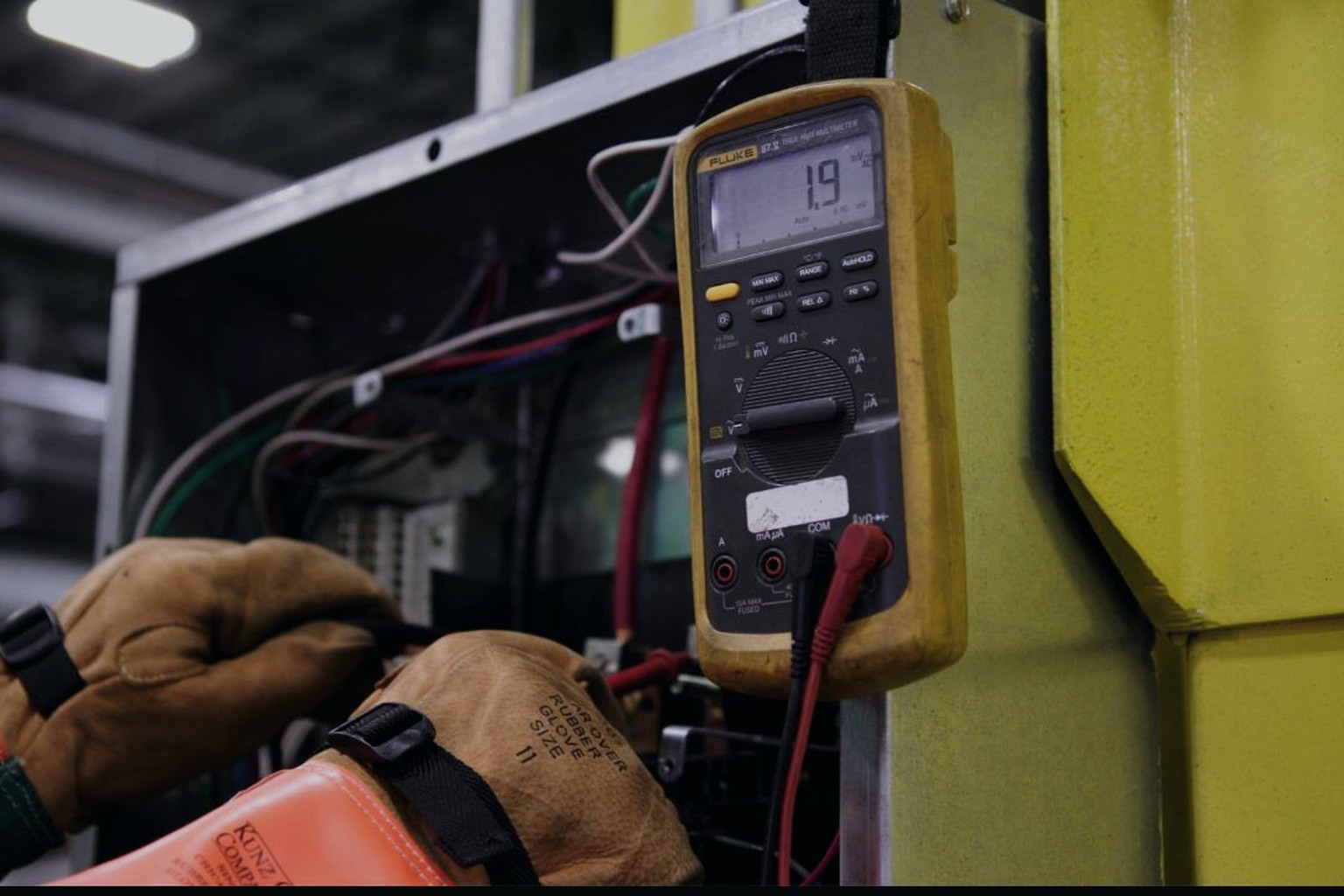
For most of its history, preventive maintenance in commercial buildings has run on the calendar rather than on actual equipment condition. A pump gets serviced every six months, a filter gets changed every quarter, a belt gets inspected once a year, regardless of how hard that particular piece of equipment has actually been working. It is a reasonable approach when you have no better information to go on, but it means some equipment gets serviced too often while other equipment fails between scheduled visits because it was actually working much harder than the calendar assumed.
Sensor data is steadily eroding the case for that calendar based approach. When a facility team can actually see vibration patterns, temperature trends, and runtime hours for a piece of equipment, maintenance decisions start to follow the equipment’s real condition instead of a generic schedule written for an average case that rarely matches any specific machine.
From Fixed Schedules to Condition Based Decisions
The basic shift underway is a move from time based maintenance to condition based maintenance, and the difference matters more than it might sound. A fixed schedule treats every piece of equipment of a given type the same way, whether it has been running at full load constantly or sitting mostly idle. Sensor data breaks that assumption apart by showing how each individual unit is actually performing, which means maintenance can be scheduled around genuine wear rather than an assumed average.
This does not mean calendars disappear entirely. Some maintenance tasks, like inspecting for corrosion or checking safety systems, still make sense on a fixed schedule regardless of usage data. But for the many maintenance activities driven by mechanical wear, thermal stress, or accumulated runtime, sensor data gives facility teams a much better basis for deciding when service is actually warranted.
The practical effect is fewer wasted service visits on equipment that did not need attention yet, and earlier intervention on equipment that was quietly heading toward failure faster than its scheduled maintenance interval would have caught.
Catching Problems Before They Become Failures
Perhaps the most valuable thing sensor data offers is early warning. Equipment rarely fails without some kind of gradual signal beforehand, a bearing that starts vibrating slightly more than normal, a motor that runs a few degrees warmer than its baseline, a pump that draws a bit more current than it used to. These changes are often too subtle for a technician doing a quarterly walkthrough to notice, but they show up clearly in continuous sensor data trended over weeks or months.
Catching these early signals turns an unplanned emergency repair, often the most expensive and disruptive kind of maintenance event, into a planned intervention scheduled at a convenient time with parts ordered in advance. That difference in cost is not trivial. Emergency repairs typically involve rush shipping for parts, overtime labor, and sometimes collateral damage to adjacent equipment or building systems that a slower, planned repair would have avoided entirely.
There is also a tenant experience angle that facility teams increasingly care about. A chiller that fails on a hot afternoon creates a very different set of complaints than the same repair handled proactively over a weekend when the building is empty. Sensor driven maintenance gives teams the lead time to choose when disruptive work actually happens.
The Data Challenges That Come With This Shift
None of this works without someone actually making sense of the data being collected, and that turns out to be harder than installing the sensors themselves. A building generating continuous readings from hundreds of points produces far more data than any human can review manually, which means facility teams need some combination of automated analysis and clear thresholds to flag what actually matters.
Getting those thresholds right takes time and, often, a fair amount of trial and error. Set an alert threshold too sensitively and maintenance staff quickly learn to ignore a flood of false alarms. Set it too loosely and genuine problems slip through until they become expensive ones. Building a reliable condition based maintenance program usually means a period of calibration where the system’s alerts get tuned against what technicians actually find when they investigate.
Data quality matters just as much as data quantity. A sensor that has drifted out of calibration, or one mounted in a spot that does not actually represent the condition it is supposed to measure, can generate confidently wrong readings that lead maintenance teams astray just as easily as no data at all.
Building the Organizational Habits to Match the Technology
Technology alone does not change a maintenance program. Facility teams accustomed to working off a fixed calendar need new habits and workflows to actually act on condition based alerts, and that organizational shift is often underestimated compared to the technical work of installing sensors.
Staff need training not just on the new tools but on trusting a different kind of signal than the one they are used to. A technician with twenty years of experience following a fixed schedule may be skeptical of a dashboard telling them a pump needs attention two months ahead of its usual service date, and building that trust takes a track record of the system being right often enough to matter.
The buildings getting the most value out of sensor driven maintenance tend to be the ones that treated this as an organizational change as much as a technology purchase, pairing the new data with clear processes for who reviews it, who acts on it, and how success gets measured. Get that combination right, and the payoff shows up as fewer emergencies, lower long term repair costs, and equipment that quietly lasts longer than the calendar ever gave it credit for.