
Why Fault Detection Is Becoming a Core Part of Building Automation
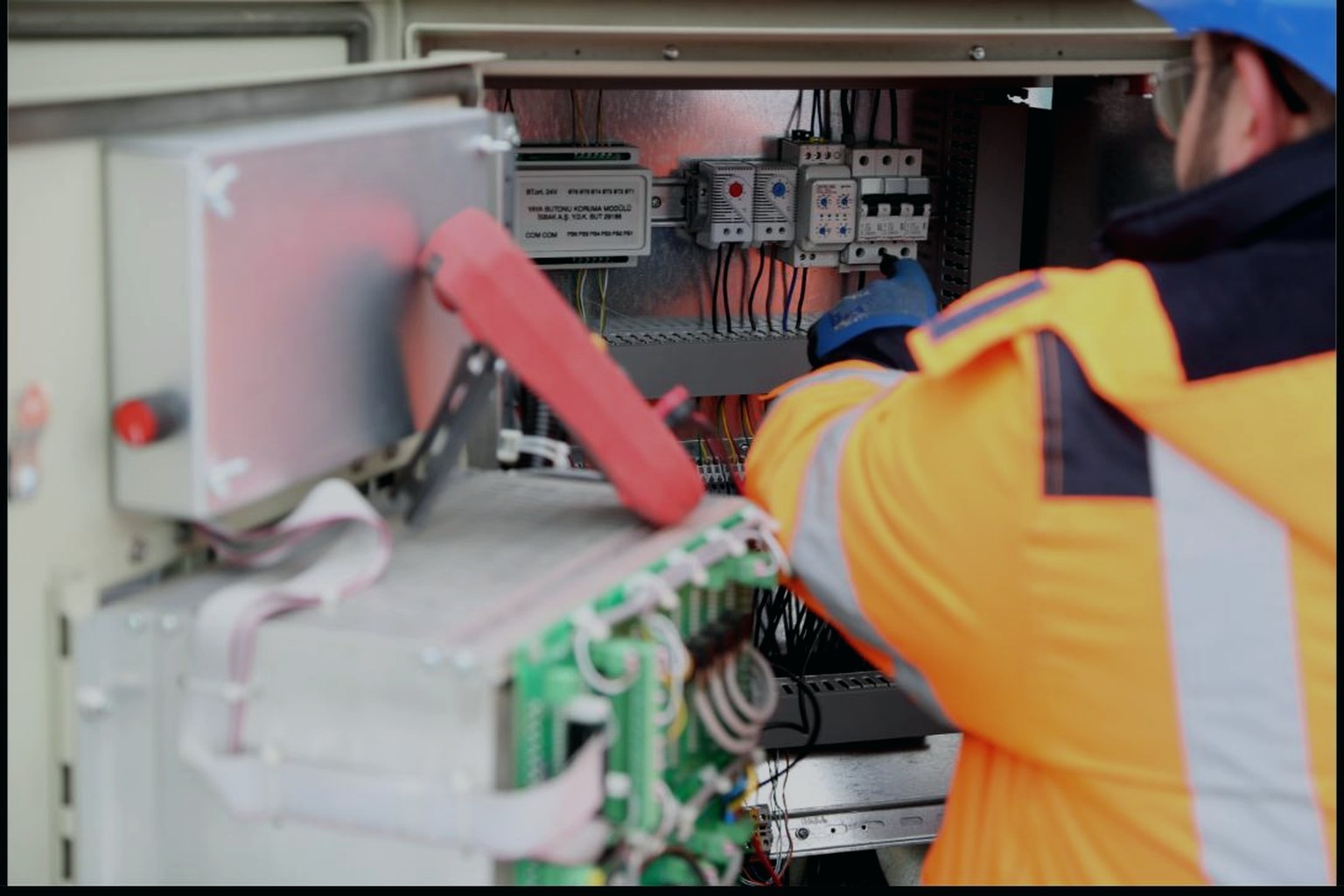
A building automation system can collect thousands of data points every minute, and for years the industry treated most of that data as something to store rather than something to act on. Alarms would fire when a value crossed an obvious threshold, a technician would eventually notice, and the rest of the data just sat in a trend log that almost nobody looked at unless something had already gone wrong. That is changing quickly, and fault detection and diagnostics has moved from a niche add-on to something increasingly treated as a core function of the automation system itself.
The reasoning behind this shift is straightforward. Buildings already generate enough data to catch most equipment problems early, long before they turn into a comfort complaint or an emergency service call. The industry is finally building the tools to use that data proactively instead of letting it accumulate unused.
From Reactive Maintenance to Continuous Monitoring
The traditional maintenance model in commercial buildings has always leaned heavily on two approaches: fix it when it breaks, or fix it on a fixed schedule regardless of actual condition. Both have obvious downsides. Reactive repairs tend to be more expensive and more disruptive than a planned fix, since equipment often fails at the worst possible time and sometimes takes other components down with it. Scheduled maintenance, on the other hand, wastes effort servicing equipment that did not actually need attention yet, while still missing problems that develop between scheduled visits.
Continuous fault detection offers a middle path. Instead of waiting for a scheduled inspection or a failure, software constantly compares how equipment is actually behaving against how it is expected to behave under current conditions. A cooling coil valve that is fully open but not lowering the discharge air temperature the way it should is a sign of a problem well before anyone in the space notices the room getting warm.
This continuous approach also changes the economics of maintenance planning. When a facility team can see that a specific piece of equipment is degrading gradually, they can schedule a repair during a convenient window rather than responding to an emergency. That shift alone, from unplanned to planned work, tends to be one of the more measurable financial benefits building owners point to when they invest in this kind of monitoring.
How Fault Detection Actually Works
At its core, fault detection software applies a set of rules or models to the data streaming out of a building automation system, looking for patterns that indicate something is off. Some of these rules are fairly simple, comparing two related data points against each other, such as checking whether a fan is commanded on but showing zero airflow. Others are more sophisticated, building a statistical picture of normal operation for a specific piece of equipment and flagging deviations from that baseline.
The simple rule-based checks tend to be the most reliable starting point, because they are easy to understand and explain to a maintenance technician who needs to act on the alert. A rule stating that a heating valve and a cooling valve should not both be significantly open at the same time is easy to verify and easy to justify when a technician goes to investigate. More statistical approaches can catch subtler issues, like a compressor that is running longer cycles than it used to, but they generally need enough historical data to establish what normal actually looks like for that specific piece of equipment in that specific building.
Good fault detection also depends heavily on how the underlying data is organized. If sensor points are inconsistently labeled or missing context about what equipment they belong to, even a well-designed detection rule will struggle to apply correctly across an entire building. This is part of why data quality and consistent naming conventions have become such a bigger focus in building automation projects generally, since fault detection is only as good as the data feeding it.
The Challenge of False Positives and Alert Fatigue
The single biggest obstacle to getting fault detection actually used, rather than ignored, is false positives. If a system generates dozens of alerts a day and most of them turn out to be nothing, a facility team quickly learns to tune the notifications out entirely, and the entire investment stops paying off. This pattern, often called alert fatigue, has quietly undermined more than a few fault detection rollouts that looked promising on paper.
Reducing false positives usually means being deliberate about which faults actually get surfaced to a human being versus which ones get logged quietly for later review. Not every minor deviation needs an immediate notification. A well-tuned system prioritizes faults by their actual impact, distinguishing between something that is wasting a modest amount of energy and something that is about to cause equipment damage or a tenant complaint.
There is also a practical need to involve the people who will actually respond to these alerts in setting up the rules in the first place. A detection rule written by someone who has never had to act on a 2 a.m. page tends to be tuned very differently than one written with the technician’s actual workflow in mind. Getting that balance right usually takes an ongoing tuning process rather than a one-time configuration during commissioning.
What This Means for Facility Teams Going Forward
As fault detection becomes a standard expectation rather than an optional add-on, it is starting to reshape what a facility team’s daily work actually looks like. Instead of walking the building checking equipment on a fixed schedule, more of a technician’s time is spent reviewing a prioritized list of flagged issues and deciding which ones need attention first. That is a meaningful change in how the job is structured, and it requires a comfort with software and data that was not always part of a traditional mechanical trade background.
Building owners are also starting to expect this kind of visibility as part of a normal automation system rather than a premium feature reserved for flagship properties. As more buildings adopt continuous fault detection, the baseline for what counts as a well-run facility keeps rising, and buildings without this capability increasingly stand out for the wrong reasons when energy costs or maintenance budgets come under scrutiny.
None of this replaces the judgment of an experienced technician. Fault detection is best understood as a way to point that judgment at the right problems sooner, rather than a substitute for the expertise needed to actually fix what is found. Buildings that get the balance right, using automated detection to prioritize where people spend their time, tend to see the clearest gains in both reliability and cost.